Dickoya Maskeliya Cricket Club (DMCC): A timeless legacy of a sports club since 1868 .
Nestled in the breathtaking highlands of Sri Lanka, the Dickoya Maskeliya Cricket Club (DMCC) stands as a timeless tribute to the country’s colonial past, seamlessly blending history with the vibrant ethos of life of the colonial era sports culture. Established in 1868 during British rule, DMCC was an exclusive gathering place for British tea planters, where fashionable high tea, fine dining, and lively camaraderie unfolded, with sports taking center stage. Even now the clubhouse is adorned with vintage wooden interiors, soaring high ceilings, and an ambiance steeped in nostalgia, exuding an old-world charm that transports visitors to a bygone era. More than just a sports institution, DMCC remains a living testament to Sri Lanka’s colonial heritage and its enduring sporting legacy.
Steeped in nostalgia and tradition, the DMCC remains more than a sporting institution; it is a living museum of Sri Lanka’s colonial past, where the echoes of leather on willow, the clink of teacups, and the laughter of planters still linger in the crisp mountain air.
The DMCC sports grounds witnessed over 150 years of competitive matches, spirited rivalries, and cherished camaraderie. Though originally founded as a social hub for expatriates, the club has since evolved into a thriving center for cricket, rugby and other sports. Today, it serves as a vibrant venue for school sports events, bringing together a diverse community while preserving its rich traditions and continuing to play a paramount role in the lives of those surrounded by the DMCC.
Our Mission
Founded in 1868, the Dickoya Maskeliya Cricket Club (DMCC) strives to revive its rich legacy in Sri Lankan sports. Committed to cricket and rugby, DMCC nurtures local talent and strengthens community bonds.
Our Vision
The Dickoya Maskeliya Cricket Club (DMCC), founded in 1868, aims to revive its legacy in Sri Lankan sports by fostering cricket and rugby. Committed to modernizing facilities, nurturing talent, and competing regionally, DMCC preserves its rich heritage while promoting community and youth development.
About Dickoya Maskeliya Cricket Club
The Dickoya Maskeliya Cricket Club (also known as DMCC) is a sporting club formed by British tea planters and founded in 1868. The club house and grounds are situated at the foothills of Darrawella Estate and therefore the club is often called the Darrawella Club.
The first up country cricket match was played in 1868 against Dimbula Athletic & Cricket Club at their grounds in Radella, the ensuing matches becoming an annual fixture in the region.
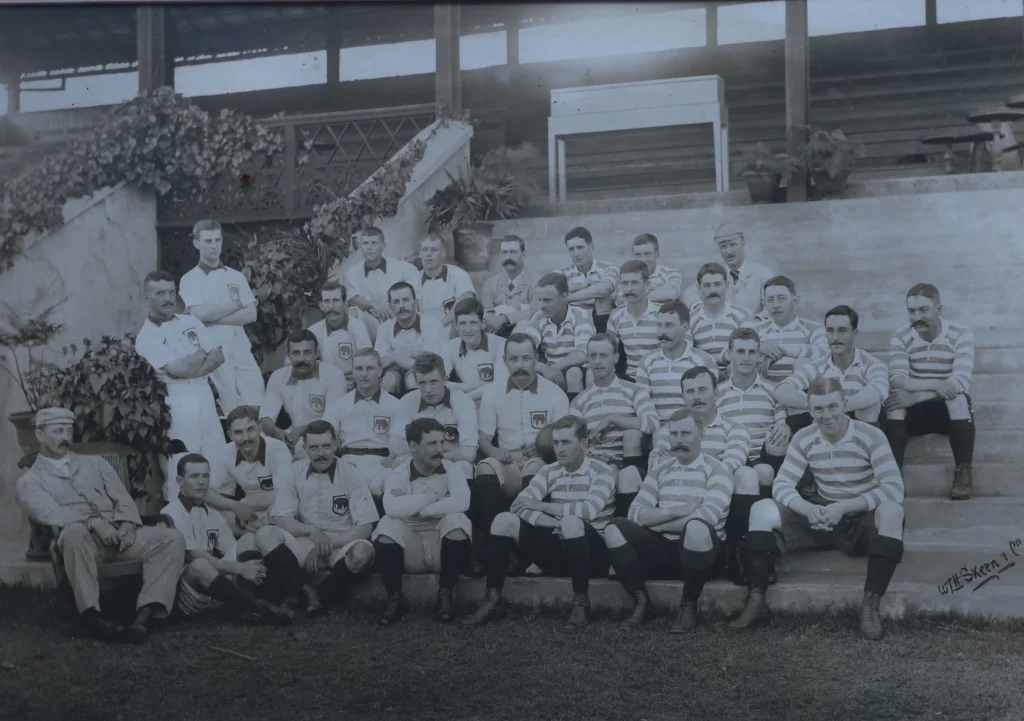
The club’s first official rugby match was played on 7 March 1880 against fellow Up Country club, Dimbula Athletic & Cricket Club, at its home ground in Darawella, with Dickoya winning 9–3. Both clubs played a return fixture the next week this time at Radella, where Dimbula were victorious 3–nil. The annual rugby match between Dimbulla and Dickoya, is one of the oldest rugby competitions in Sri Lanka.
Our Mission
Founded in 1868, the Dickoya Maskeliya Cricket Club (DMCC) strives to revive its rich legacy in Sri Lankan sports. Committed to cricket and rugby, DMCC nurtures local talent and strengthens community bonds.
Our Vision
The Dickoya Maskeliya Cricket Club (DMCC), founded in 1868, aims to revive its legacy in Sri Lankan sports by fostering cricket and rugby. Committed to modernizing facilities, nurturing talent, and competing regionally, DMCC preserves its rich heritage while promoting community and youth development.

President

President

President

President
President
President
President
President
Our Proud History
The Dickoya Maskeliya Cricket Club (also known as DMCC) is a sporting club formed by British tea planters and founded in 1868. The club house and grounds are situated at the foothills of Darrawella Estate and therefore the club is often called the Darrawella Club. The first up country cricket match was played in 1868 against Dimbula Athletic & Cricket Club at their grounds in Radella, the ensuing matches becoming an annual fixture in the region.The club’s first official rugby match was played on 7 March 1880 against fellow Up Country club, Dimbula Athletic & Cricket Club, at its home ground in Darawella, with Dickoya winning 9–3. Both clubs played a return fixture the next week this time at Radella, where Dimbula were victorious 3–nil. The annual rugby match between Dimbulla and Dickoya, is one of the oldest rugby competitions in Sri Lanka.
On 14 February 1891 the Tsesarevich, Nicholas II, who later became the Tsar of Russia, visited the Darrawella Club. In 1908 the club was one of six founding rugby clubs which formed the Ceylon Rugby Football Union. In 1956 a combined Dimbula & Dickoya rugby team, commonly known as the Dim/Dicks, captained by Malcolm Wright won through to the Clifford Cup final before being defeated by the Ceylonese Rugby & Football Club. The following year the Dim/Dicks, under skipper Malcolm Wright, made the final again only to lose against Ceylonese Rugby for a second time.
The Dickoya Maskeliya Cricket Club (also known as DMCC) is a sporting club formed by British tea planters and founded in 1868. The club house and grounds are situated at the foothills of Darrawella Estate and therefore the club is often called the Darrawella Club. The first up country cricket match was played in 1868 against Dimbula Athletic & Cricket Club at their grounds in Radella, the ensuing matches becoming an annual fixture in the region.The club’s first official rugby match was played on 7 March 1880 against fellow Up Country club, Dimbula Athletic & Cricket Club, at its home ground in Darawella, with Dickoya winning 9–3. Both clubs played a return fixture the next week this time at Radella, where Dimbula were victorious 3–nil. The annual rugby match between Dimbulla and Dickoya, is one of the oldest rugby competitions in Sri Lanka.
On 14 February 1891 the Tsesarevich, Nicholas II, who later became the Tsar of Russia, visited the Darrawella Club. In 1908 the club was one of six founding rugby clubs which formed the Ceylon Rugby Football Union. In 1956 a combined Dimbula & Dickoya rugby team, commonly known as the Dim/Dicks, captained by Malcolm Wright won through to the Clifford Cup final before being defeated by the Ceylonese Rugby & Football Club. The following year the Dim/Dicks, under skipper Malcolm Wright, made the final again only to lose against Ceylonese Rugby for a second time.
Our Proud History
The Dickoya Maskeliya Cricket Club (also known as DMCC) is a sporting club formed by British tea planters and founded in 1868. The club house and grounds are situated at the foothills of Darrawella Estate and therefore the club is often called the Darrawella Club. The first up country cricket match was played in 1868 against Dimbula Athletic & Cricket Club at their grounds in Radella, the ensuing matches becoming an annual fixture in the region.The club’s first official rugby match was played on 7 March 1880 against fellow Up Country club, Dimbula Athletic & Cricket Club, at its home ground in Darawella, with Dickoya winning 9–3. Both clubs played a return fixture the next week this time at Radella, where Dimbula were victorious 3–nil. The annual rugby match between Dimbulla and Dickoya, is one of the oldest rugby competitions in Sri Lanka.
On 14 February 1891 the Tsesarevich, Nicholas II, who later became the Tsar of Russia, visited the Darrawella Club. In 1908 the club was one of six founding rugby clubs which formed the Ceylon Rugby Football Union. In 1956 a combined Dimbula & Dickoya rugby team, commonly known as the Dim/Dicks, captained by Malcolm Wright won through to the Clifford Cup final before being defeated by the Ceylonese Rugby & Football Club. The following year the Dim/Dicks, under skipper Malcolm Wright, made the final again only to lose against Ceylonese Rugby for a second time.
The Dickoya Maskeliya Cricket Club (also known as DMCC) is a sporting club formed by British tea planters and founded in 1868. The club house and grounds are situated at the foothills of Darrawella Estate and therefore the club is often called the Darrawella Club. The first up country cricket match was played in 1868 against Dimbula Athletic & Cricket Club at their grounds in Radella, the ensuing matches becoming an annual fixture in the region.The club’s first official rugby match was played on 7 March 1880 against fellow Up Country club, Dimbula Athletic & Cricket Club, at its home ground in Darawella, with Dickoya winning 9–3. Both clubs played a return fixture the next week this time at Radella, where Dimbula were victorious 3–nil. The annual rugby match between Dimbulla and Dickoya, is one of the oldest rugby competitions in Sri Lanka.
On 14 February 1891 the Tsesarevich, Nicholas II, who later became the Tsar of Russia, visited the Darrawella Club. In 1908 the club was one of six founding rugby clubs which formed the Ceylon Rugby Football Union. In 1956 a combined Dimbula & Dickoya rugby team, commonly known as the Dim/Dicks, captained by Malcolm Wright won through to the Clifford Cup final before being defeated by the Ceylonese Rugby & Football Club. The following year the Dim/Dicks, under skipper Malcolm Wright, made the final again only to lose against Ceylonese Rugby for a second time.
A Colonial legacy in the highlands: The history
1980
Lorem ipsum dolor sit amet, consectetur adipiscing elit. Ut elit tellus, luctus nec ullamcorper mattis, pulvinar dapibus leo.
Lorem ipsum dolor sit amet, consectetur adipiscing elit. Ut elit tellus, luctus nec ullamcorper mattis, pulvinar dapibus leo.
Lorem ipsum dolor sit amet, consectetur adipiscing elit. Ut elit tellus, luctus nec ullamcorper mattis, pulvinar dapibus leo.
The colonial-era pavilion stands as a majestic symbol of its storied past. This stunningly preserved structure is one of Sri Lanka’s finest remnants of British sporting heritage. The lush green cricket ground, often shrouded in mist, continues to host thrilling encounters, drawing both local and international talent to its historic turf.
1880
1880
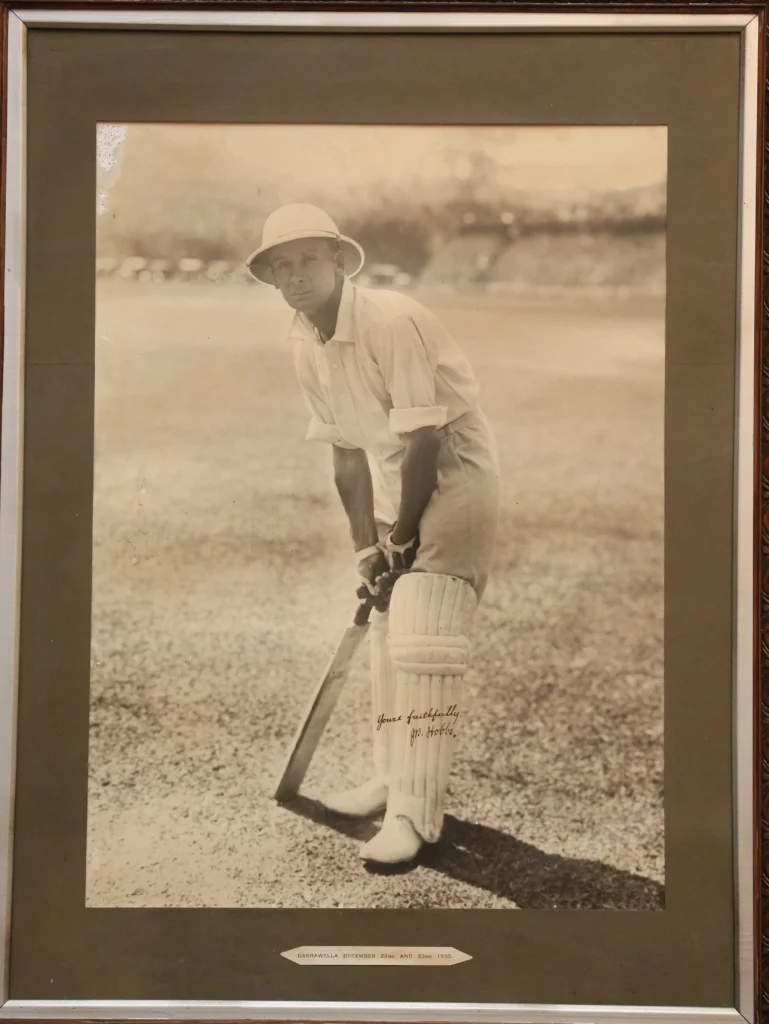
DMCC played a pioneering role in Sri Lanka’s sporting history, hosting the first-ever up-country cricket match in 1868 against Dimbula Athletic & Cricket Club at Radella—an annual fixture that soon became a celebrated tradition. Also, the club hosted its first recorded rugby match on 7 March 1880 against Dimbula at Darawella, where Dickoya secured a 9–3 victory. A week later, Dimbula evened the score with a 3–0 win at Radella. This historic annual rivalry, one of the oldest rugby competitions in Sri Lanka, continues to be a celebrated tradition, further cementing DMCC’s status as a trailblazer in the nation’s sporting history.
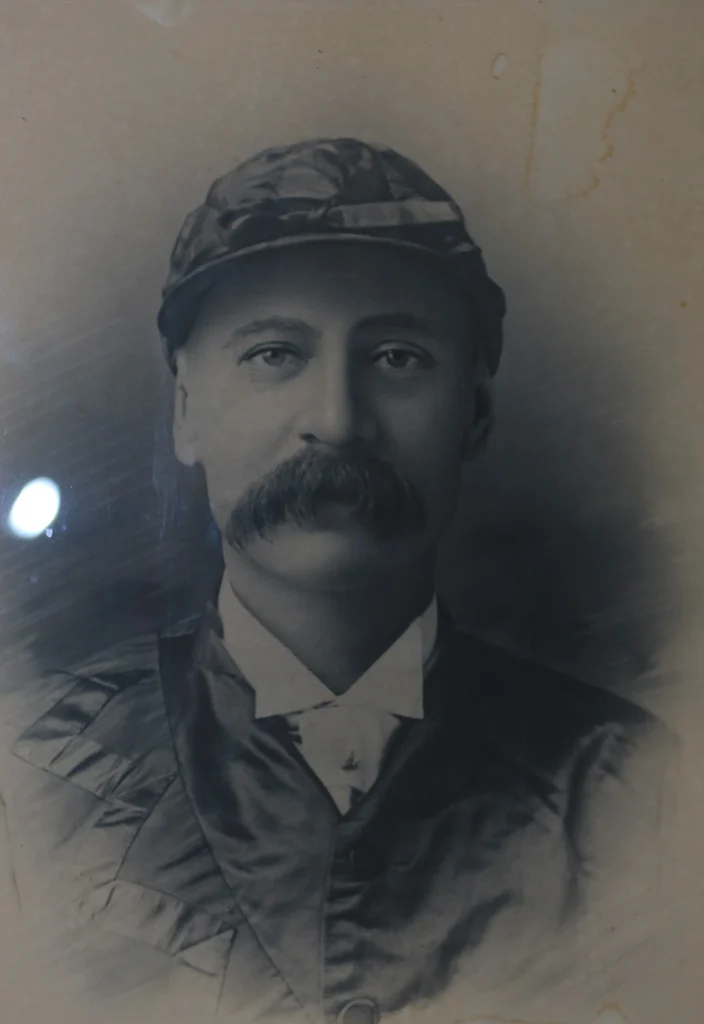
Over the decades, DMCC has grown beyond its cricketing roots, offering a diverse range of sports, including recreational cricket, badminton, billiards and snooker, tennis, rugby, and squash. While echoes of its colonial past still resonate through its historic clubhouse and manicured grounds, the club has evolved with Sri Lanka’s changing sporting landscape. Today, it stands as a dynamic and inclusive institution, welcoming athletes from all backgrounds while preserving its rich heritage.
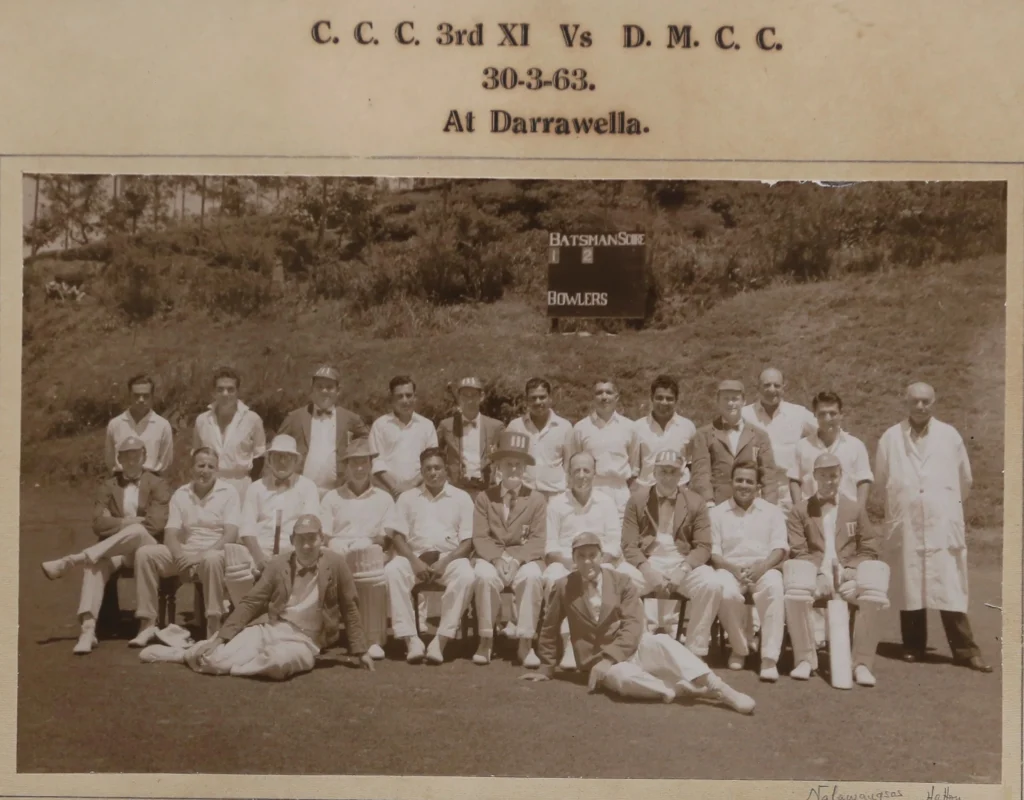
Today, DMCC remains a bastion of tradition, offering a wealth of sports facilities unmatched in the region. The grounds continue to host cricket and rugby tournaments, drawing teams from Hatton, Dickoya, Bogawanthalawa, and Maskeliya. The clubhouse itself, reserved exclusively for the planter’s fraternity, remains a place where camaraderie thrives, much like in its colonial heyday. The annual Inter-Plantation Rugby Tournament, the CTTA Sports Festival, and the UPASI Sports Festival bring together planters, tea brokers, and buyers in a friendly yet competitive spirit, just as they did in years past.
1868
1868
DMCC stands as an enduring monument to the colonial sporting traditions of British Ceylon. Established in 1868 by the British planters of the Dickoya Maskeliya region, the club became a prestigious retreat where sportsmanship, social gatherings, and the grandeur of colonial life intertwined.
1870
1870
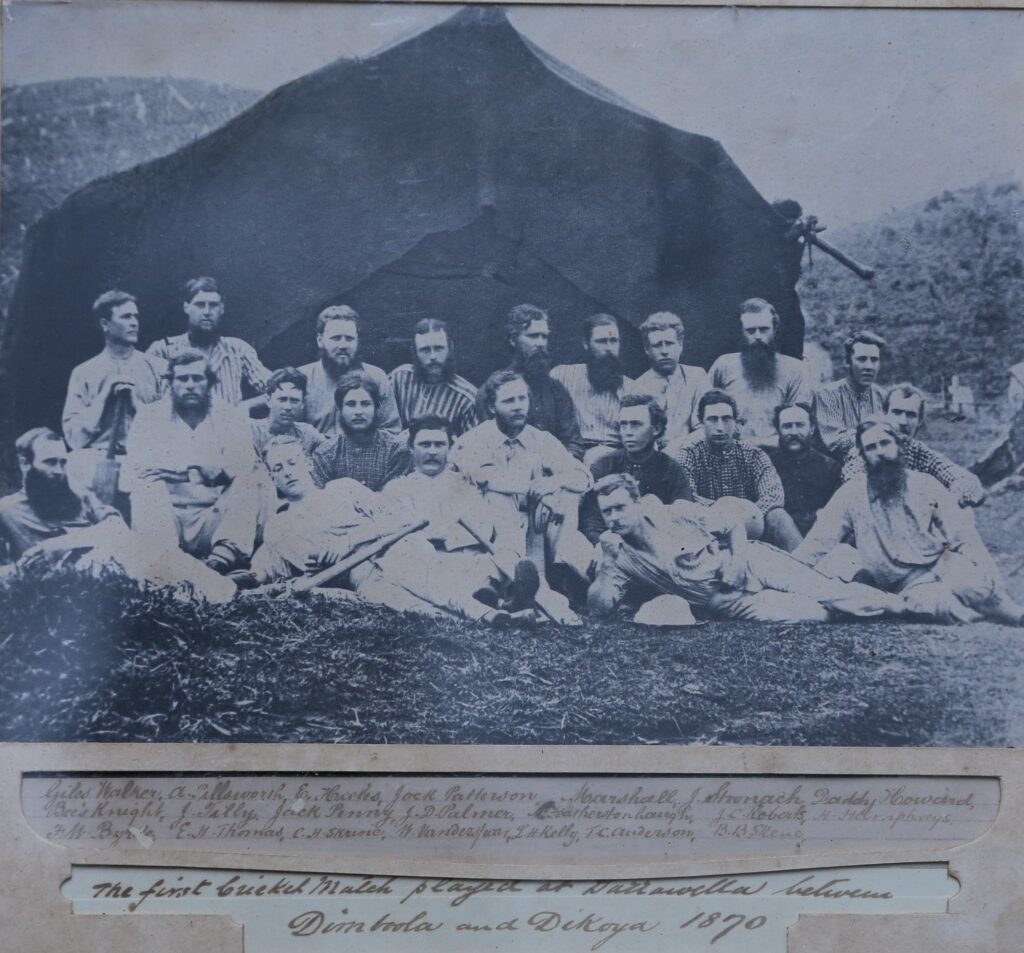
The first recorded cricket match at DMCC was played in 1870 on the very grounds where a simple tent once stood to shelter players—a humble beginning that would evolve into the distinguished clubhouse seen today. A sepia-toned photograph of this early setup, preserved within the clubhouse walls, offers a glimpse into the club’s storied past.
1974
1974
The DMCC was also once a hub for equestrian sports and golf. Horse races were a grand spectacle until tragedy struck—a planter lost his life during one such event, bringing an abrupt end to racing at the club. A haunting photograph of the ill-fated day remains, though the planter’s name has faded from record. Golf flourished here until 1974, when the meandering Kehelgamu Oya, flowing beside the Darawala grounds, swelled with floodwaters and swallowed the carefully maintained course, marking the end of an era.
Between 1965 and 1975, the DMCC Badminton Court was repurposed as a cinema theater due to its large performing stage. The club, then affiliated with George Graphic England, transformed the court into a theater, screening English films every three months for planters and their families. A monthly news bulletin from England kept members connected to the wider world, while electricity from the Battalgalla Estate hydro plant illuminated the club’s grand halls.
A prestigious rivalry endures between DMCC and the Dimbula Athletic Cricket Club, with matches steeped in history and tradition. Beyond sports, the club continues to host elegant social events—the grandeur of its dinner dances, Christmas parties, and New Year celebrations reminiscent of the soirées once held by British planters under chandeliers and candlelight.
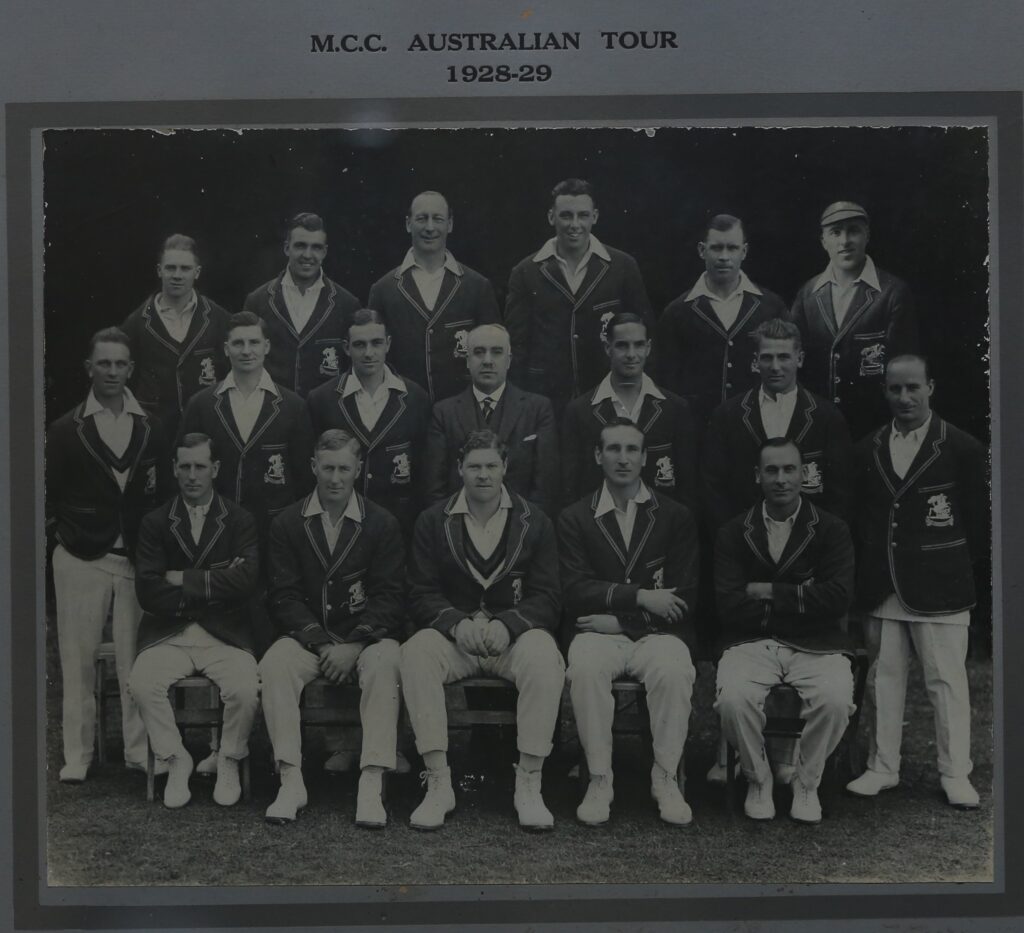
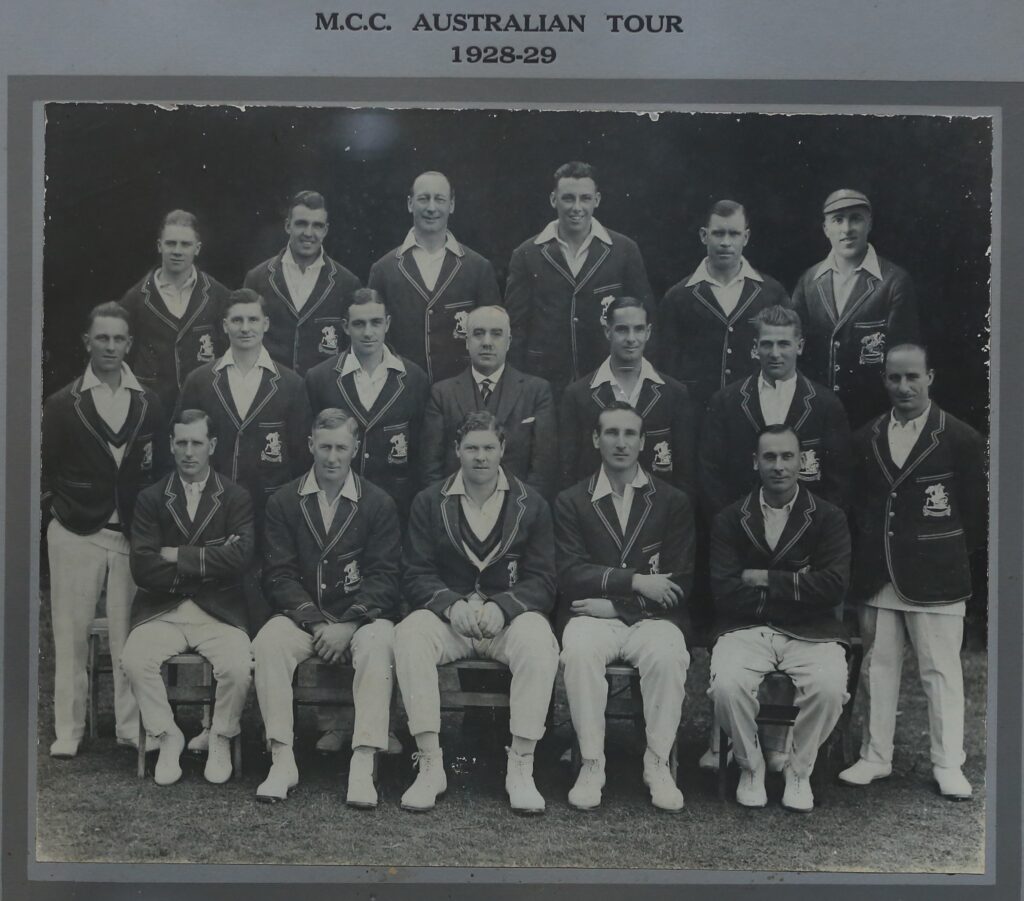
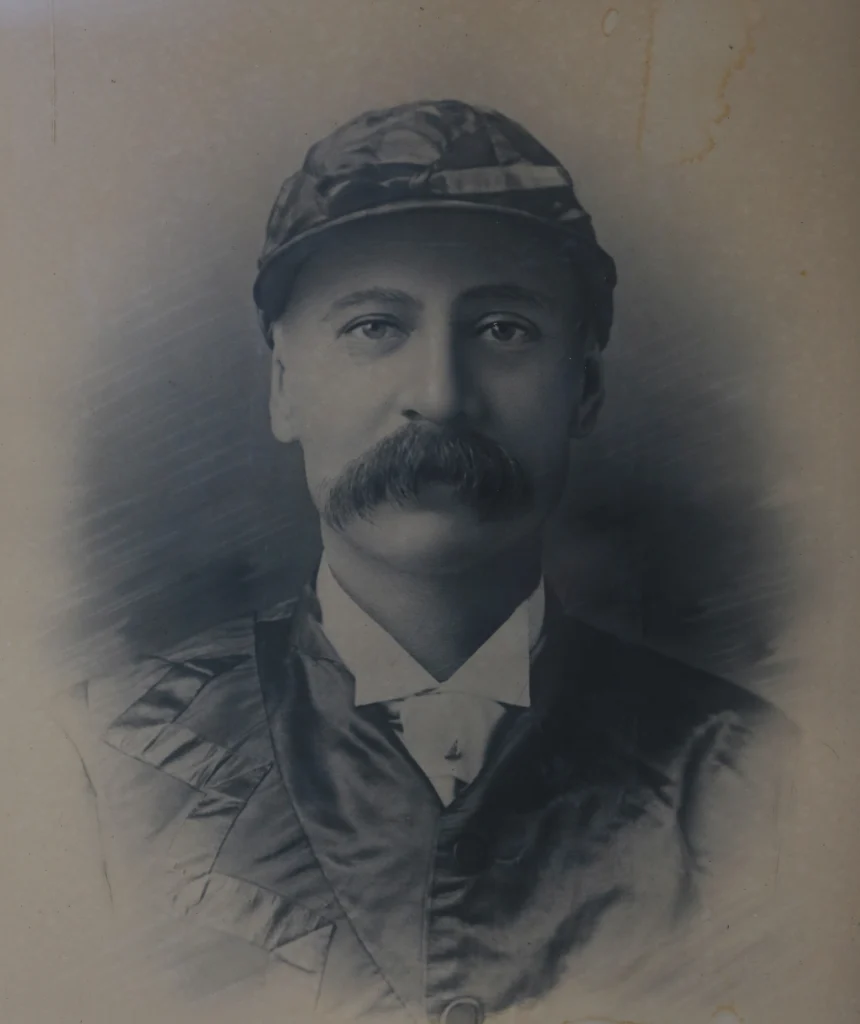
Within its historic walls, DMCC houses a treasure trove of colonial memorabilia: a library filled with aged volumes, a collection of black-and-white photographs that whisper tales of a bygone era, and the ladies’ and gents’ bars where generations of planters have gathered over fine spirits. The club’s most prized relic, a cricket scorebook meticulously maintained since 1879, stands as a testament to its legacy—a 146-year-old chronicle of matches played on these storied grounds.
1868
DMCC stands as an enduring monument to the colonial sporting traditions of British Ceylon. Established in 1868 by the British planters of the Dickoya Maskeliya region, the club became a prestigious retreat where sportsmanship, social gatherings, and the grandeur of colonial life intertwined.
1980
Lorem ipsum dolor sit amet, consectetur adipiscing elit. Ut elit tellus, luctus nec ullamcorper mattis, pulvinar dapibus leo.
Lorem ipsum dolor sit amet, consectetur adipiscing elit. Ut elit tellus, luctus nec ullamcorper mattis, pulvinar dapibus leo.
Lorem ipsum dolor sit amet, consectetur adipiscing elit. Ut elit tellus, luctus nec ullamcorper mattis, pulvinar dapibus leo.
The colonial-era pavilion stands as a majestic symbol of its storied past. This stunningly preserved structure is one of Sri Lanka’s finest remnants of British sporting heritage. The lush green cricket ground, often shrouded in mist, continues to host thrilling encounters, drawing both local and international talent to its historic turf.
1870
The first recorded cricket match at DMCC was played in 1870 on the very grounds where a simple tent once stood to shelter players—a humble beginning that would evolve into the distinguished clubhouse seen today. A sepia-toned photograph of this early setup, preserved within the clubhouse walls, offers a glimpse into the club’s storied past.
1880
DMCC played a pioneering role in Sri Lanka’s sporting history, hosting the first-ever up-country cricket match in 1868 against Dimbula Athletic & Cricket Club at Radella—an annual fixture that soon became a celebrated tradition. Also, the club hosted its first recorded rugby match on 7 March 1880 against Dimbula at Darawella, where Dickoya secured a 9–3 victory. A week later, Dimbula evened the score with a 3–0 win at Radella. This historic annual rivalry, one of the oldest rugby competitions in Sri Lanka, continues to be a celebrated tradition, further cementing DMCC’s status as a trailblazer in the nation’s sporting history.
1974
The DMCC was also once a hub for equestrian sports and golf. Horse races were a grand spectacle until tragedy struck—a planter lost his life during one such event, bringing an abrupt end to racing at the club. A haunting photograph of the ill-fated day remains, though the planter’s name has faded from record. Golf flourished here until 1974, when the meandering Kehelgamu Oya, flowing beside the Darawala grounds, swelled with floodwaters and swallowed the carefully maintained course, marking the end of an era.
Over the decades, DMCC has grown beyond its cricketing roots, offering a diverse range of sports, including recreational cricket, badminton, billiards and snooker, tennis, rugby, and squash. While echoes of its colonial past still resonate through its historic clubhouse and manicured grounds, the club has evolved with Sri Lanka’s changing sporting landscape. Today, it stands as a dynamic and inclusive institution, welcoming athletes from all backgrounds while preserving its rich heritage.
Between 1965 and 1975, the DMCC Badminton Court was repurposed as a cinema theater due to its large performing stage. The club, then affiliated with George Graphic England, transformed the court into a theater, screening English films every three months for planters and their families. A monthly news bulletin from England kept members connected to the wider world, while electricity from the Battalgalla Estate hydro plant illuminated the club’s grand halls.
Today, DMCC remains a bastion of tradition, offering a wealth of sports facilities unmatched in the region. The grounds continue to host cricket and rugby tournaments, drawing teams from Hatton, Dickoya, Bogawanthalawa, and Maskeliya. The clubhouse itself, reserved exclusively for the planter’s fraternity, remains a place where camaraderie thrives, much like in its colonial heyday. The annual Inter-Plantation Rugby Tournament, the CTTA Sports Festival, and the UPASI Sports Festival bring together planters, tea brokers, and buyers in a friendly yet competitive spirit, just as they did in years past.
A prestigious rivalry endures between DMCC and the Dimbula Athletic Cricket Club, with matches steeped in history and tradition. Beyond sports, the club continues to host elegant social events—the grandeur of its dinner dances, Christmas parties, and New Year celebrations reminiscent of the soirées once held by British planters under chandeliers and candlelight.
Within its historic walls, DMCC houses a treasure trove of colonial memorabilia: a library filled with aged volumes, a collection of black-and-white photographs that whisper tales of a bygone era, and the ladies’ and gents’ bars where generations of planters have gathered over fine spirits. The club’s most prized relic, a cricket scorebook meticulously maintained since 1879, stands as a testament to its legacy—a 146-year-old chronicle of matches played on these storied grounds.
1980
Lorem ipsum dolor sit amet, consectetur adipiscing elit. Ut elit tellus, luctus nec ullamcorper mattis, pulvinar dapibus leo.
Lorem ipsum dolor sit amet, consectetur adipiscing elit. Ut elit tellus, luctus nec ullamcorper mattis, pulvinar dapibus leo.
Lorem ipsum dolor sit amet, consectetur adipiscing elit. Ut elit tellus, luctus nec ullamcorper mattis, pulvinar dapibus leo.
1981
Lorem ipsum dolor sit amet, consectetur adipiscing elit. Ut elit tellus, luctus nec ullamcorper mattis, pulvinar dapibus leo.
Lorem ipsum dolor sit amet, consectetur adipiscing elit. Ut elit tellus, luctus nec ullamcorper mattis, pulvinar dapibus leo.
Lorem ipsum dolor sit amet, consectetur adipiscing elit. Ut elit tellus, luctus nec ullamcorper mattis, pulvinar dapibus leo.
1982
Lorem ipsum dolor sit amet, consectetur adipiscing elit. Ut elit tellus, luctus nec ullamcorper mattis, pulvinar dapibus leo.
Lorem ipsum dolor sit amet, consectetur adipiscing elit. Ut elit tellus, luctus nec ullamcorper mattis, pulvinar dapibus leo.
Lorem ipsum dolor sit amet, consectetur adipiscing elit. Ut elit tellus, luctus nec ullamcorper mattis, pulvinar dapibus leo.
1983
Lorem ipsum dolor sit amet, consectetur adipiscing elit. Ut elit tellus, luctus nec ullamcorper mattis, pulvinar dapibus leo.
Lorem ipsum dolor sit amet, consectetur adipiscing elit. Ut elit tellus, luctus nec ullamcorper mattis, pulvinar dapibus leo.
Lorem ipsum dolor sit amet, consectetur adipiscing elit. Ut elit tellus, luctus nec ullamcorper mattis, pulvinar dapibus leo.
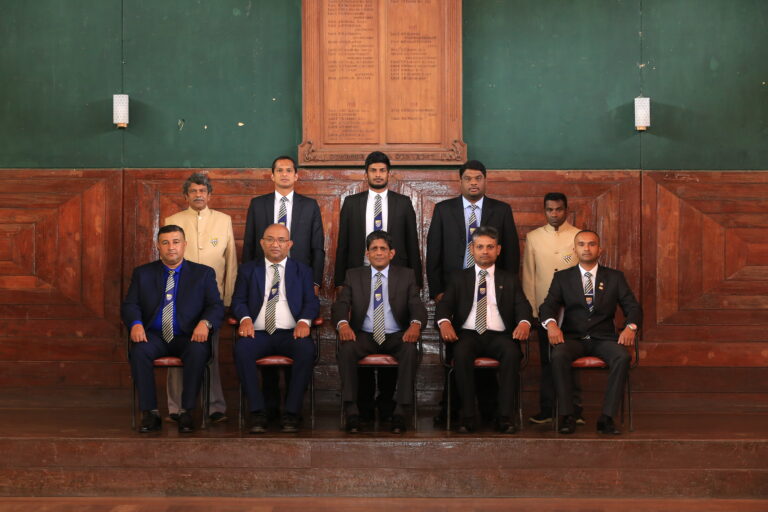
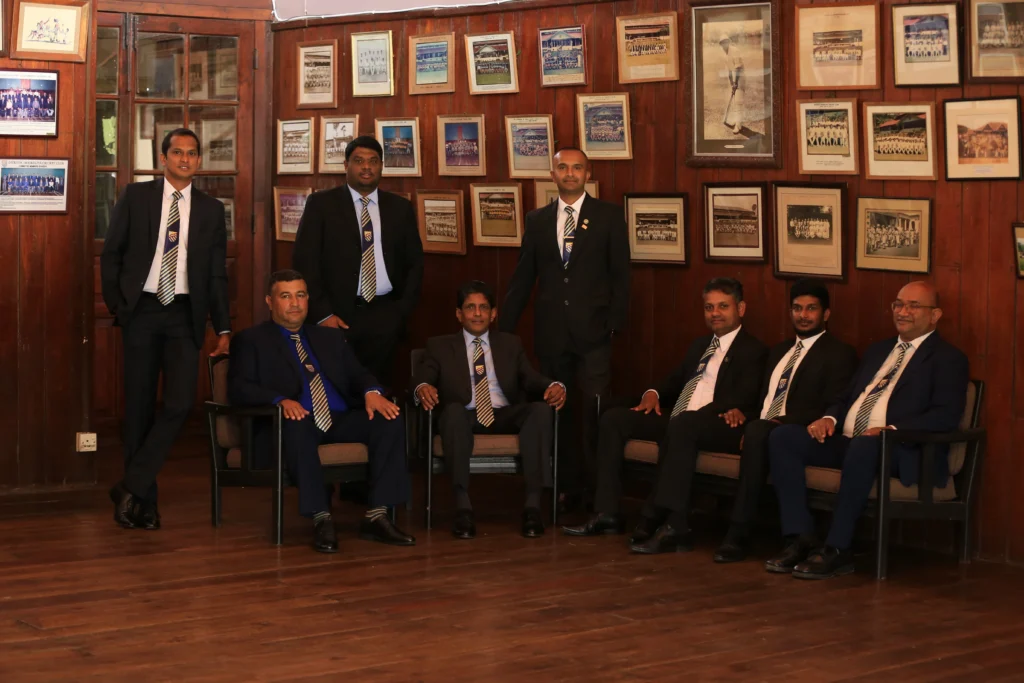
2023/2024 executive committee members
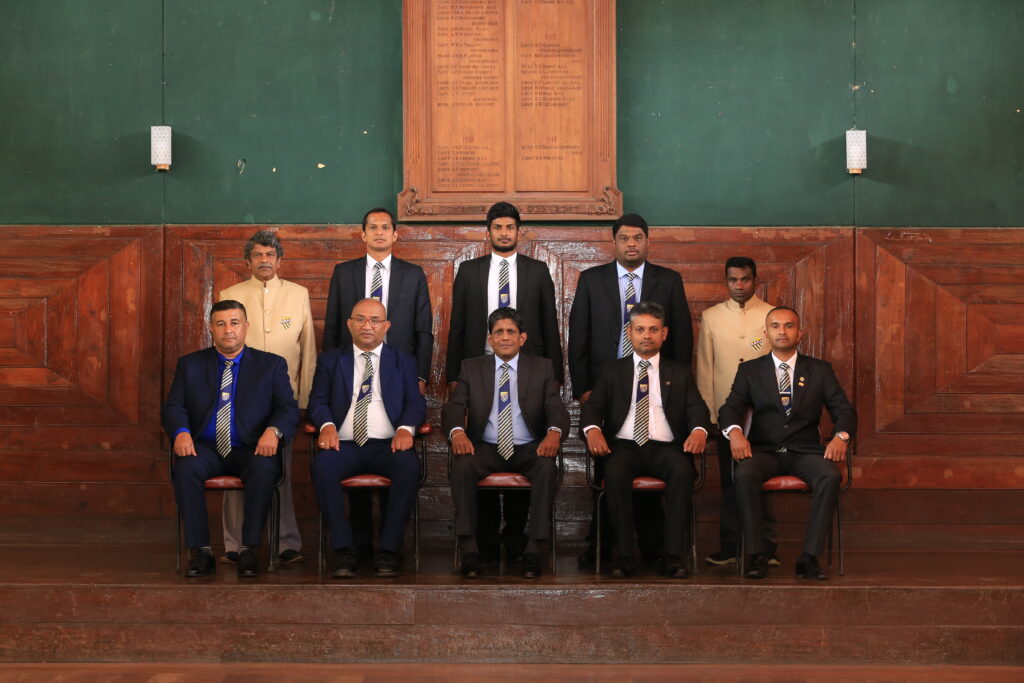
2023/2024 executive committee members